





[26.04.27]
제2차 한,영 선교 협의회, 한국과 영국 교회 ‘동반자적 협력’ 위해 머리 맞대다
[April 27, 26]
2nd Korea-UK Mission Conference: Korean and UK Churches Put Their Heads Together for ‘Partnership’
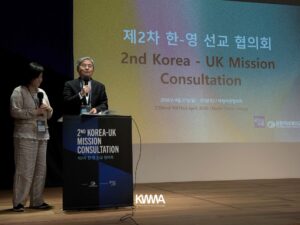
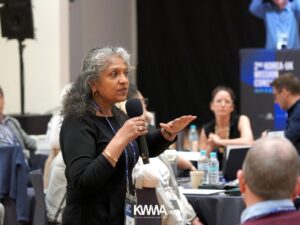
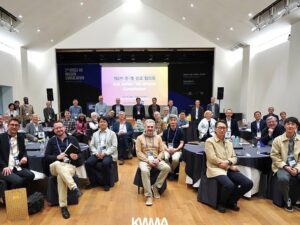
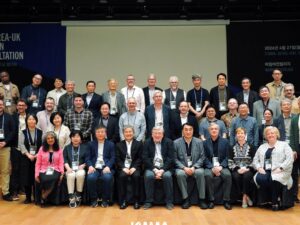
세계 선교의 중심축이 서구에서 비서구권인 ‘글로벌 사우스(Global South)’로 이동하는 다중심적 선교 시대를 맞아, 한국과 영국 교회의 지도자들이 한자리에 모여 미래지향적인 선교 협력 방안을 모색했습니다. 한국세계선교협의회(KWMA)가 주최한 ‘제2차 한,영 선교 협의회’가 지난 4월 27일부터 29일까지 경기도 여주 마임비전빌리지에서 개최되었습니다. 이번 협의회에는 영국 측에서 린지 브라운 박사를 비롯한 선교계 리더 21명이 방한하였으며, 한국 측에서는 KWMA 사무총장 등 지도자 22명이 참석해 깊이 있는 논의를 진행했습니다.
환영사에 나선 주승중 목사는 전통적인 기독교 국가였던 유럽 교회와의 파트너십 확장은 물론, 비서구 교회와의 적극적인 연대가 필수적임을 강조하며 상호 협력과 동역을 미래 선교의 핵심 키워드로 제시했습니다. 기조 발제를 맡은 강대흥 사무총장은 이제 선교가 파송 교회라는 외부자 중심에서 벗어나 현지 교회와 내부자를 존중하는 ‘동반자 선교’로 전환되어야 한다고 역설했습니다. 특히 한국 선교가 양적 팽창을 넘어 겸손한 태도로 글로벌 사우스 교회들과 함께 걸어가는 협력적 모델을 구축해야 한다는 점에 양측 모두 공감대를 형성했습니다.
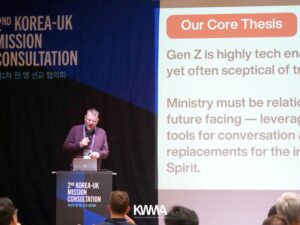
영국 측 발제자들은 영국 교회의 쇠퇴 경험을 통해 한국 교회에 실질적인 교훈을 전달했습니다. 존 스티븐스 목사는 영국이 이미 탈기독교 국가로 진입했음을 시사하며, 자유주의 신학의 유입과 복음의 상황화 실패, 그리고 국내 교회의 건강성을 살피지 못한 채 해외 선교에만 치중했던 과거의 실수를 경계해야 한다고 조언했습니다. 반면 폴 하코트 목사는 최근 영국 젊은 세대를 중심으로 ‘조용한 부흥’이 일어나고 있으며, 디지털 매체와 리소스 교회를 통해 새로운 활력을 찾으려는 노력이 이어지고 있다는 희망적인 소식도 함께 전했습니다.
이번 협의회에서는 디지털 및 AI 시대의 청년 사역, 난민과 디아스포라 선교 등 구체적인 현안들에 대해서도 심도 있는 논의가 이어졌습니다. 특히 Z세대가 기술에 익숙하면서도 전통적 교회 구조에는 회의적인 만큼, 관계 중심적이고 진정성 있는 연결을 촉진하는 ‘또래 중심 제자도 모델’과 디지털 공동체 형성의 중요성이 부각되었습니다. 또한 이주민을 선교의 대상이 아닌 주체로 세우고, 이들을 위한 전략적 파트너십과 공동 커리큘럼을 개발해야 한다는 제안이 큰 호응을 얻었습니다.
양국 교회는 이번 만남을 통해 웨일즈 부흥의 역사적 연결 고리를 확인하고, 이란 및 무슬림 이주민 선교 등 7개 분야에서 실질적인 협력을 추진하기로 약속했습니다. 구체적으로는 웨일즈 지역에 한·영 학생 교환 및 선교사 파송을 진행하고, 이란 기도 어플 보급과 시리아 난민 사역을 위한 현지 협력을 강화하기로 했습니다. 선교 경험을 공유하며 상호 도움이 되는 파트너십을 견고히 다진 양측은 오는 2027년 4월 영국 옥스퍼드에서 제3차 선교 협의회를 개최하여 그 동력을 이어갈 예정입니다.
Facing an era of multi-centric missions where the center of global missions is shifting from the West to the non-Western ‘Global South,’ leaders from churches in Korea and the UK gathered to explore future-oriented mission cooperation strategies. The ‘2nd Korea-UK Mission Conference,’ hosted by the Korea World Mission Association (KWMA), was held from April 27 to 29 at Maim Vision Village in Yeoju, Gyeonggi Province. For this conference, 21 mission leaders from the UK, including Dr. Lindsey Brown, visited Korea, while 22 leaders from the Korean side, including KWMA Chair Rev. Joo Seung-joong, Vice Chair Rev. Lee Jae-hoon, and Secretary General Kang Dae-heung, participated in in-depth discussions.
In his welcoming remarks, Rev. Joo Seung-joong emphasized the necessity of active solidarity with non-Western churches as well as expanding partnerships with European churches, which have traditionally been Christian nations, presenting mutual cooperation and partnership as key keywords for future missions. General Secretary Kang Dae-heung, who delivered the keynote address, stressed that missions must now shift from an outsider-centered approach focused on the sending church to a “partnership mission” that respects local churches and insiders. In particular, both sides reached a consensus on the need for Korean missions to move beyond quantitative expansion and build a cooperative model that walks alongside global South churches with a humble attitude.
The speakers from the UK conveyed practical lessons to the Korean church based on the experience of the decline of the British church. Rev. John Stevens suggested that the UK has already entered the phase of a post-Christian nation and advised caution against past mistakes, such as the influx of liberal theology, the failure to contextualize the Gospel, and the focus solely on overseas missions without examining the health of the domestic church. On the other hand, Pastor Paul Harcourt shared hopeful news, noting that a “quiet revival” is currently taking place among the younger generation in the UK, and that efforts to find new vitality through digital media and resource churches are ongoing.
During this council meeting, in-depth discussions were held on specific current issues, such as youth ministry in the digital and AI era, as well as missions to refugees and the diaspora. In particular, given that Generation Z is tech-savvy yet skeptical of traditional church structures, the importance of a “peer-centered discipleship model” that promotes relationship-oriented and authentic connections, as well as the formation of digital communities, was highlighted. Additionally, proposals to empower migrants as agents of mission rather than objects, and to develop strategic partnerships and joint curricula for them, received a strong positive response.
Through this meeting, the churches of both countries confirmed the historical connection to the Welsh Revival and pledged to pursue practical cooperation in seven areas, including missions to Iranian and Muslim migrants. Specifically, they agreed to proceed with Korean-UK student exchanges and the dispatch of missionaries to the Wales region, distribute prayer apps for Iran, and strengthen local cooperation for ministry to Syrian refugees. Both parties, having solidified a mutually beneficial partnership by sharing mission experiences, plan to continue this momentum by holding the 3rd Mission Council in Oxford, UK, in April 2027.
